
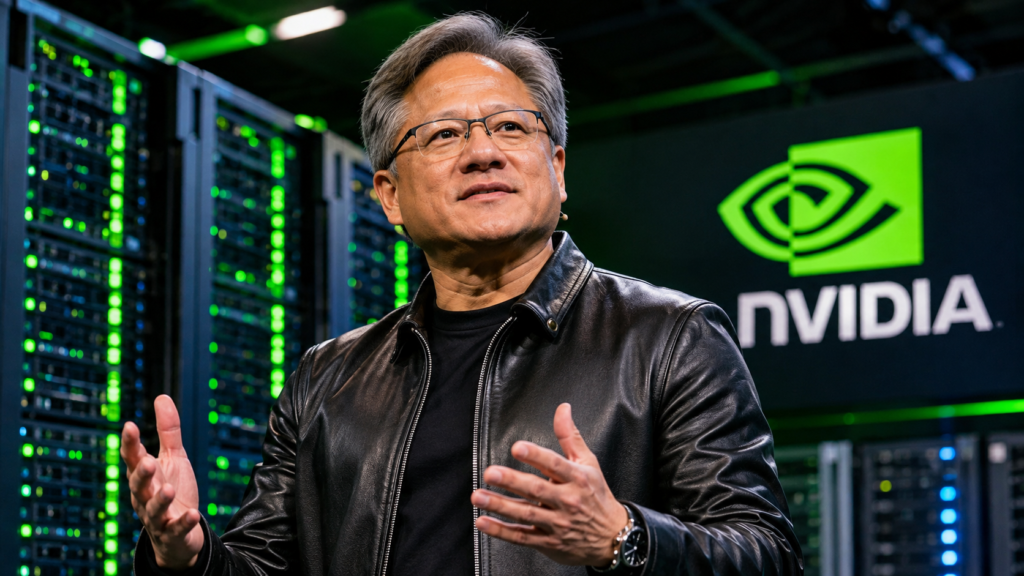
Introduction: Who Could Replace Jensen Huang
Nvidia is one of the most powerful companies in the global technology industry. They are best known as the leading creator of AI (artificial intelligence) chips and for their expertise in high-end computing and graphics processing units, helping launch many innovations. The driving force in the company and the man leading the way for our modern AI industry is Jensen Huang.
But any conversation about the future of a major tech company comes back to one central question: Who would fill Jensen Huang’s shoes if he weren’t the boss?
CEO succession is not about hiring the most experienced person. Nvidia requires someone who can get the hype around AI, semiconductors, competition, R&D, and the linkages between its hardware and software businesses.
There are a handful of technology executives who are qualified to be thrown into the mix of a potential succession discussion. Some have run large semiconductor firms, and others have run software platforms, AI firms, and key engineering teams.
In this article, TachCrunch discusses seven possible names and provides a flavour of the experience, strengths, and weaknesses they would bring to Nvidia. These are all purely speculative and not indicative of any leadership change.
Why Jensen Huang’s Leadership Is Important to Nvidia
Jensen Huang founded Nvidia in 1993, and Nvidia has navigated the massive technological shifts that have happened in recent decades. Nvidia made a name for itself with graphics processing technology, especially for gaming. These days, its GPUs are also critical to scientific computing, data centers, machine learning, and generative AI.
Huang has also been heavily investing in Nvidia’s best product: the long-term setup of its software platform CUDA. CUDA allowed the wider world of developers and researchers to more easily take advantage of Nvidia graphics chips for more than just graphics processing, creating an ecosystem that’s now central to AI.
The next CEO would gain more than a thriving chip maker. A successor would have to defend Nvidia’s innovation advantage against rivals while battling manufacturing constraints, chafing customers, and rising AI-computing demand.
Therefore, it would be great to find someone who knows both business strategy and semiconductor engineering.
1. Lisa Su: Industry Veteran at a Chip Company
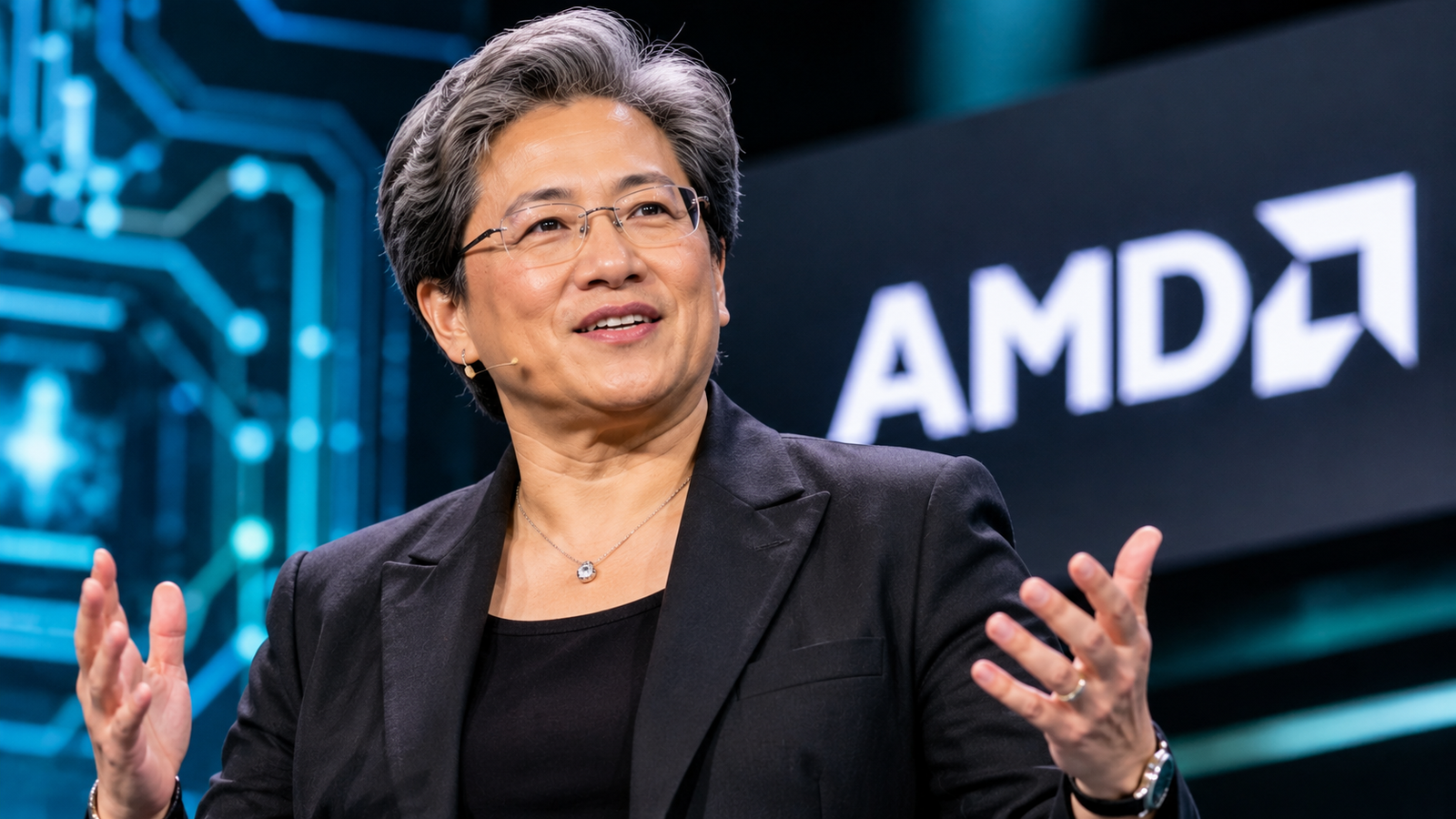
Lisa Su is arguably the most well-known CEO in the semiconductor business. AMD CEO Lisa Su has overseen a significant turnaround for a major Nvidia rival.
She has semiconductor engineering, product development, and corporate executive experience. Her product development and corporate executive experience added to AMD in order to extend its dominance in processors, graphics technologies, and data-center products.
Su’s technical background may position her as an interesting hypothetical CEO candidate for a firm like Nvidia. She has knowledge of the semiconductor industry and has worked in an environment where delivering superior product performance, quality manufacturing capacity, and making long-term investments are key.
But one obvious hitch: She is already the boss of AMD, an enterprise in its own right with its own game plan and market position. Jumping ship to join Nvidia would be a pretty momentous step.
The name is intriguing in a succession conversation due to her industry experience, though there are no indications she is being considered as a potential CEO candidate at Nvidia.
2. Eric Schmidt: A History of Managing a Worldwide Tech Firm
Another figure that may come to the fore in a leadership debate: Eric Schmidt.
Schmidt was Google’s CEO from 2001 to 2011, managing the company’s growth in technology products, advertising, and international operations. He is also involved in conversations on tech policy and artificial intelligence.
On his experience, he said it would be useful if Nvidia ever required a business-oriented executive with a specialisation in government relations and strategy as well as international business.
For a world market leader like Nvidia, navigating supply chains around the world, export restrictions, and competitors, and shaping government tech policy is part of the challenge. A leader with expertise in these areas may be able to head off some of those bigger hurdles.
Meanwhile, Schmidt is an industry veteran whose background managing semiconductor and AI infrastructure companies requires more hardware and a specific engineering ecosystem, according to Huang.
His can thus be read as a management potential scenario rather than an obvious technical substitution.
3. Lip-Bu Tan: Expertise in the Semiconductor Sector
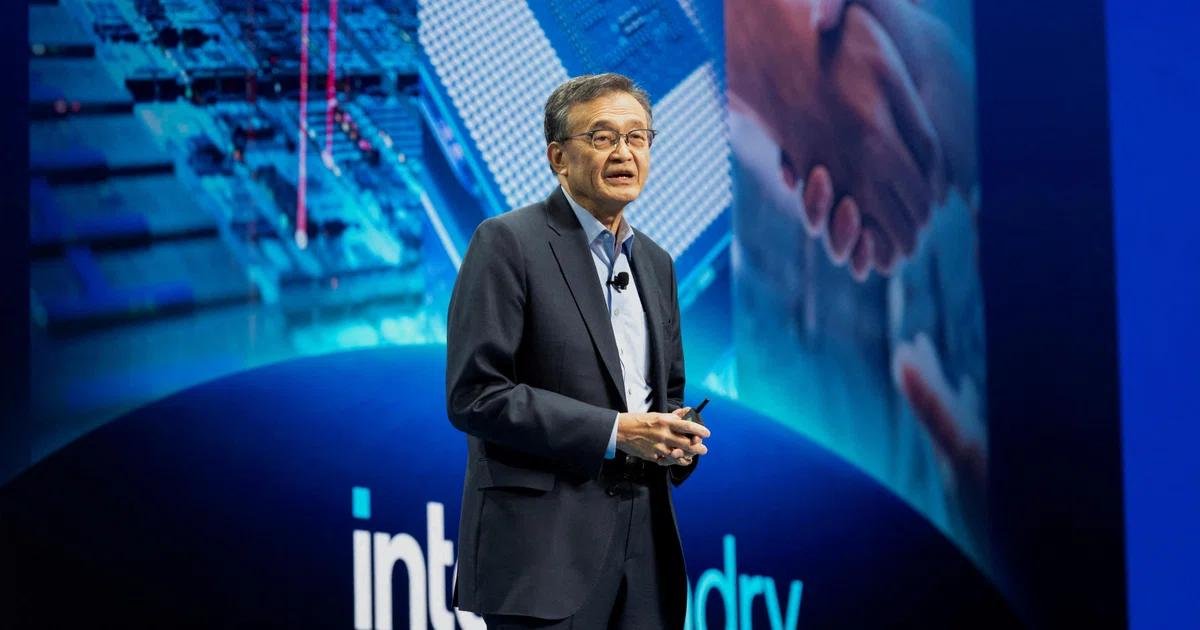
Lip-Bu Tan has a deep background in the semiconductor industry. As CEO of Intel, he oversees one of the longest-standing chip makers as it navigates rising levels of competition and seismic innovation.
Previous experience he brings to the table is in the area of semiconductor investments, in the technology business, and as a company executive. This information will be applicable to Nvidia because the company’s future hinges on its ability to build a tight relationship throughout the chip industry worldwide.
With Tan’s experience, a leader would know how necessary manufacturing partnerships, research spending, product innovation, and industry planning are.
However, transitioning from Intel to Nvidia would still be difficult. Nvidia has a different value proposition, a different position in the market, and a mature software ecosystem around its GPUs.
While Tan may offer a potential advantage in knowledge of semiconductors, there would be a key factor to consider in whether Nvidia’s differentiated approach to its technology would continue.
4. Bret Taylor: An Executive with AI and Software Experience
Bret Taylor is a veteran of several large technology companies and executive positions. He has worked at Google Maps, Facebook, Salesforce, Twitter, and OpenAI.
He is also the CEO and co-founder of Sierra, an AI company that makes customer experience technology.
Taylor has a relevant role in the software/AI side of Nvidia’s business. It isn’t just chips where Nvidia has an impact. Its software platforms, developer tools, and partnerships are all critical elements of Nvidia’s market presence.
Having a leader who has built software firms and led major technology companies would, in principle, improve the group’s relationship with AI makers and its enterprise clients.
But the bulk of Nvidia’s business is built on semiconductor and hardware know-how. Taylor would need to assemble a formidable engineering team and be very familiar with how Nvidia’s chips are designed.
His experience makes him an interesting hypothetical candidate, from a software and leadership organization point of view.
5. Ian Buck: Internal Candidate with CUDA Background

This might be, in particular, an apt mention because of its relevance to Nvidia’s engineering-related universe.
Buck has been leading the way in CUDA, a parallel computing platform from Nvidia. Developers have used CUDA for scientific research, machine learning, and other highly compute-intensive tasks using GPU computing.
Nvidia’s competitive position is highly linked to the synergy between its hardware, software, and developer ecosystem.
An internal executive familiar with these systems can be a continuation. They will not need to learn the technical strategy from the ground up, as they will already be familiar with the company’s product, engineering culture, and future goals.
Another difficulty would be the shift from technology executive to CEO of a global company. The CEO has to coordinate investors, staff, clients, governments, and technology as well.
Buck may be better suited to a technologist candidate.
6. Andrew Bell: A Hardware Engineering Insider
Andrew Bell. He holds a high-ranking Nvidia hardware engineering position and is part of the in-house product development team.
Hardware engineering is the foundation of Nvidia. Developing high-powered graphics processing units involves collaboration among engineering teams, production partners, software developers, and end users.
A hardware leader has internal knowledge of product development and the issues caused by rapidly developing more powerful computers.
Bell has been at Nvidia for several years, and may be able to help provide some continuity at the company.
Though the board’s issues involved engineering operations, running an international business would involve a much wider array of skills. They would have to think about experience in external relations and in finance as well as in strategy.
7. Colette Kress: Finance and Business leader
Other executives who may be led into a wider succession conversation include Nvidia CFO Colette Kress.
During the growth stage, a CFO is a key player in the company’s investment and finance planning, investor relations, budgets, and overall strategy. With a start-up that is expanding quickly and raising significant investment, this can be crucial.
Kress has an intimate knowledge of Nvidia’s finances and the business. That brings a level of stability to the company at a moment of volatility or transition.
Nevertheless, the duties of the CEO and CFO are different. The CEO must determine the long-term path of the business, articulate the vision of the business, and lead teams of engineering, sales, research, and operations.
Kress has relevant financial experience, but any transition to CEO would likely be contingent on the board’s view of her overall leadership ability.
What’s with Lori Huang?
Other discussions surrounding the succession have also mentioned Jensen Huang‘s wife, Lori Huang, because of her previous experience as an engineer and her long-standing ties to the business and family.
Yet no public information suggests she is in the running for that role. Simply knowing someone who is a founder should not be seen as the same as having the knowledge or backing to run a public tech company.
Hence, the name should be regarded as a matter of speculation in terms of possible succession.
What Would Nvidia Need in Its Next CEO?

The new Nvidia CEO would have many important tasks. Nvidia is part of a market with a high level of competition in which technology evolves very rapidly, and customer needs are constantly increasing.
Some of the key features the board should look at:
1. In-depth Knowledge of Semiconductors
Nvidia’s offerings are related to chip design, computing architecture, and manufacturing partnerships. A future CEO must have a good grasp of what the company’s products are based on.
2. AI Skills
AI is an important part of Nvidia’s business. A new CEO would have to be familiar with how AI models, data centres, and computing infrastructure are transforming the industry.
3. Long-Term Business Strategy
Nvidia will have to keep spending on R&D whilst staying lean in terms of its costs and competitiveness, and under pressure to keep its existing customer base. Its next leader would have to shape the “develop or die” balancing act.
4. Global Leadership Experience
Nvidia interacts with customers, suppliers, and partners around the world. Would be handling of international business relations and regulatory challenges.
5. Ability to Maintain the Developer Ecosystem
There is a close relationship with the community thanks to tools from Nvidia and CUDA. Maintaining and enlarging this ecosystem would be a major priority for a successor.
What Impact Would a CEO Change Have on Nvidia and the AI Industry?
Nvidia’s changing of hands may draw more interest than most other company changes in the tech industry. Nvidia is a key source of AI computing equipment and has a trickle-down effect on the choices made by cloud providers, research organizations, startups, and tech giants.
A new CEO could stick with the company’s current approach but have other managerial priorities. For instance, would there be a tilt toward software, new chip architectures, manufacturing partnerships, or national markets?
Those plans could be reflected in the way the board outlines its succession planning, which could also reassure customers, staff, and investors.
But a change in leadership would not necessarily imply a switch in Nvidia’s technology future. The company’s engineering teams, its research efforts, its software platform, and its customer relationships would still be core to the business.
The main question would be whether a new leader could sustain the innovation and execution that turned Nvidia into a major player in AI computing.
Conclusion
Indeed, the question of who might succeed Mr. Jensen Huang underscores the importance of leadership for a company at the heart of the artificial intelligence revolution.
Names like Lisa Su, Eric Schmidt, Lip-Bu Tan, Bret Taylor, Ian Buck, Andrew Bell, and Colette Kress offer a mix of experience. Some have run the big tech companies, while others understand the world of semiconductor engineering, AI software, or Nvidia itself.
No successor has been announced yet, and do not construe these names as an official list. Any genuine switching would rest with the board on the valuation of us and the strategic vision of the company as it regarded its leadership at that time.
For now, Jensen Huang is still Nvidia’s figurehead and leader. But exploring potential successors is a good way of getting a handle on what the company might require of its next generation of executives.
FAQs
1. Who would be the next CEO of Nvidia after Jensen Huang?
Confirmed replacement: None. Speculative replacement: Lisa Su, Lip-Bu Tan, Eric Schmidt, Bret Taylor, Ian Buck, Andrew Bell, and Colette Kress. Various professional experiences, and none of these should be considered an actual candidate for the post of officially appointed replacement.
2. Could Lisa Su be an Nvidia CEO candidate?
Lisa Su is the MD and CEO with five years of semiconductor industry experience. Su would be a relevant choice for a hypothetical discussion based on industry experience, but it’s unknown whether she’s been proposed for the Nvidia position.
3. For what purpose does Nvidia seek a robust succession plan?
A succession plan can help a business mitigate the risks of losing a senior executive unexpectedly. Nvidia, for example, wouldn’t have to worry as much about protecting business operations, retaining investors, and developing its AI and semiconductor plans.
4. Would a new CEO change Nvidia’s AI strategy?
Not necessarily. Nvidia would likely seek the approval of its board of directors, the chief engineering team, market conditions, and business priorities to forge a future strategy. A new CEO might not change the strategy.
5. Who are Nvidia’s most important internal leadership candidates?
The options already have various levels of experience at Nvidia, including Ian Buck, Andrew Bell, and CFO Colette Kress. Their industry and financial or engineering backgrounds might be appropriate for a speculative succession, though no formal shortlist has been announced.





Pingback: How to Invest in Anthropic Stock | All Information Read Now