
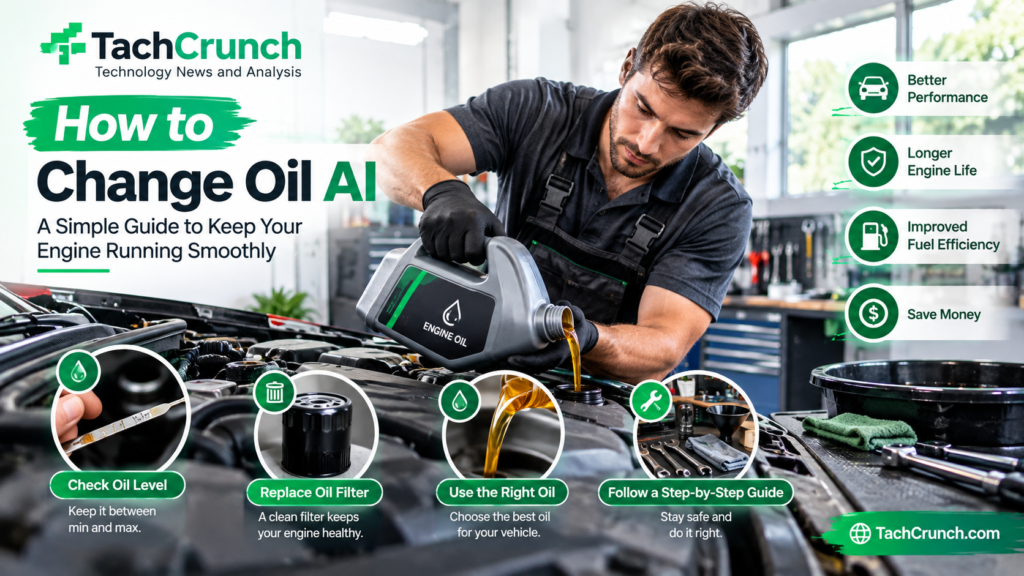
How to Change Oil AI
Before beginning, acquire the important equipment and materials. You will typically need the right engine oil, an oil filter, an oil drain pan, a socket or wrench for the drain plug, an oil clear-out wrench, a funnel, gloves, safety glasses, and clean rags or towels. If your automobile has low ground clearance, you may additionally need ramps or a ground jack and properly rated jack stands.
Why Engine Oil Matters
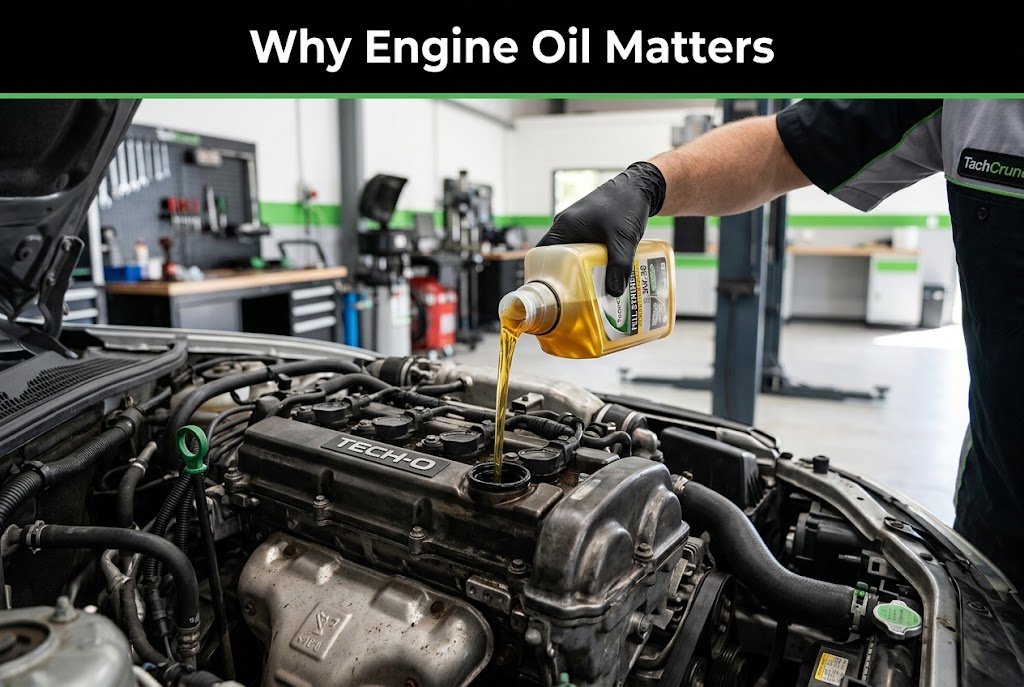
Engine oil does more than reduce friction. It lubricates bearings, carries additives, helps transfer heat, and carries contaminants toward the oil filter. Because oil degrades over time during service, following the recommended protection schedule is vital. Using the proper oil specification moreover allows make certain that the engine gets the safety its producer designed for.
Step 1: Check the Owner’s Manual
The first step is to have a examine your vehicle’s proprietor’s guide. Find the safety section and confirm which engine oil the manufacturer recommends. Pay attention to the oil viscosity, specification, and required quantity. The guide can also offer instructions for converting the filter out and tightening the drain plug.
Step 2: Park the Vehicle Safely
Park the car on a agency, level ground.Turn off the engine and engage the parking brake. If you need to raise the automobile, use the manufacturer’s recommended lifting equipment. Place ramps or jack stands on a strong floor and ensure the car is steady before going underneath it.
Step 3: Locate the Drain Plug
First, open the hood and discover the oil filler cap and dipstick in case your car has one. Then find out the engine oil pan and drain plug under the auto. The owner’s manual can assist in case you are uncertain about their locations.
Use the proper wrench or socket to loosen the plug. Using the wrong device can also harm the plug and make removal hard.
Step 4: Drain the Old Oil
Carefully loosen the drain plug. Once it is free, finish casting off it via hand on the identical time as maintaining the drain pan beneath. As fast because the plug comes loose, skip your hand away so the oil can circulate the pan.
Inspect the drain plug and its sealing washer system. If the manufacturer recommends changing the washer, use a new one. Wipe the drain region clean after the oil has completed draining.
Step 5: Remove the Old Oil Filter
Locate the oil drain plug. Depending on the car, it could be below the engine, on the face of the engine, or inside a smooth-out housing. Follow the car-specific instructions if it uses a cartridge-style clean-out.
Before installing the replacement, test the engine mounting surface cautiously. Make sure the old clean-out gasket has not remained connected. A gasket left within the return can cause a severe oil leak.
Step 6: Install the New Oil Filter
Compare the ultra-modern filter with the old one to verify that it is the correct element. For a spin-on filter, observe a thin layer of clean engine oil on the rubber gasket. This enables the gasket seat properly in the course of set up.
Thread the clean filter onto the engine cautiously by hand. Avoid cross-threading it. Tighten the filter in line with the instructions provided in the car’s manual or by the filter manufacturer. Do not rely on that tightening it; as much as feasible is better.
Step 7: Reinstall the Drain Plug
Clean the drain plug and the place across the drain establishing. If a brand new sealing washer is required, install it. Start the drain plug by hand to lessen the threat of cross-threading. Once it’s miles properly seated, tighten it the usage of the manufacturer’s endorsed torque specification.
Do not overtighten the drain plug. Excessive force can harm the oil pan or threads. A plug that isn’t tight enough might also permit oil to leak.
Step 8: Add Fresh Engine Oil
Remove the oil filler cap from the top of the engine. Place a funnel into the outlet and slowly pour in the recommended oil. It is generally better to feature maximum of the required quantity first in place of right away such as the whole capability.
After which includes oil, wait in brief and check the level using the dipstick in case your car has one. Make sure the car is parked on a level floor. Add small portions of oil until the level reaches the recommended range.
Step 9: Start the Engine
Replace and secure the oil filler cap. Start the engine and permit it to run for a short duration. Watch the oil-pressure caution or indicator. If it stays illuminated, flip the engine off and examine the trouble.
Step 10: Recheck the Oil Level
Turn the engine off and wait several minutes so the oil can settle. Check the oil degree yet again the use of the procedure defined inside the owner’s guide. If the level is beneath the endorsed variety, add a small quantity and test over again.
Step 11: Clean Up Properly
Clean any spilled oil from the engine bay, floor, or unique surfaces. Oil could make surfaces slippery and create a slip hazard. Keep used oil in a clean-to-seal box.
Never pour used engine oil onto the floor, right into a drain, or into your home plumbing. Used oil can contaminate soil and water. Take the used oil to a recycling center, carrier store, factors store, or different collection facility that accepts used motor oil.
Common Mistakes to Avoid
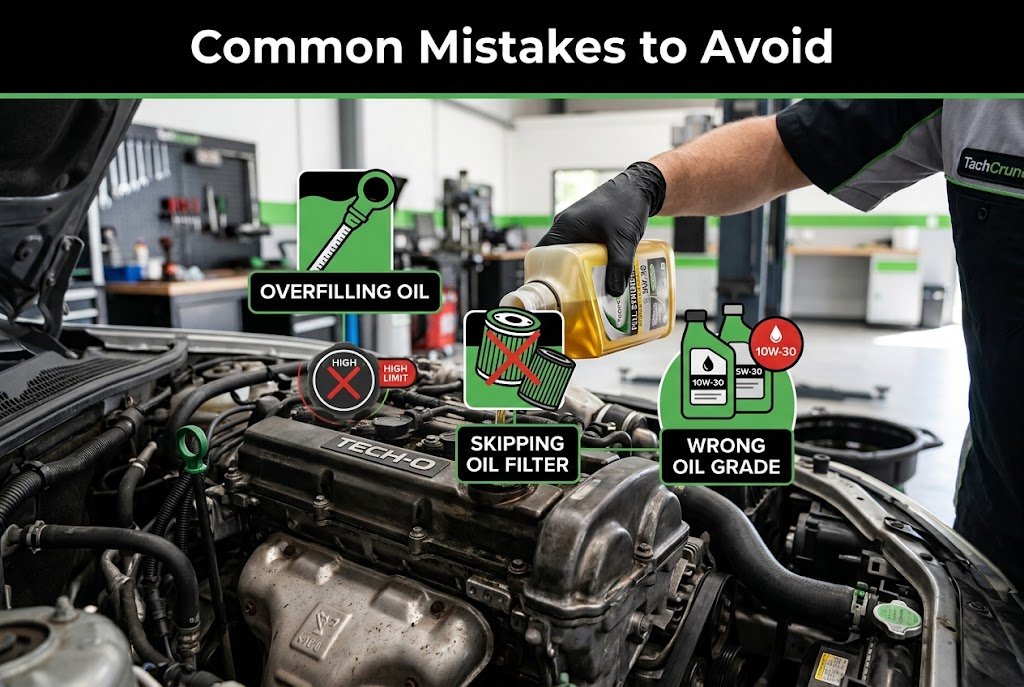
Beginners can make numerous errors during an oil change. Using the wrong oil specification is one of the most common. Another mistake is forgetting to replace the oil filter or putting in the wrong oil.
Other troubles encompass overfilling the engine, underfilling it, cross-threading the drain plug, and overtightening the filter. Some people also overlook approximately to test for leaks after beginning the engine. Never forget about a slight oil-pressure warning or a visible leak.
How Often Should You Change Oil?
The accurate oil-change interval relies upon the automobile, engine, oil specification, riding conditions, and manufacturer recommendations. Some modern cars use an oil-life monitoring tool that calculates service requirements.
Instead of following a regular mileage schedule, take a look at your owner’s manual or maintenance records. Severe driving conditions, common brief journeys, heavy loads, extreme temperatures, or sure going for walks environments may have an effect on the recommended c programming language.
Safety Tips
Safety should always be the priority. Wear gloves and eye protection, hold gadget organized, and avoid strolling on a hot engine. If you ought to enhance the auto, use well-rated ramps or jack stands and the proper lifting factors.
Benefits of Regular Oil Changes
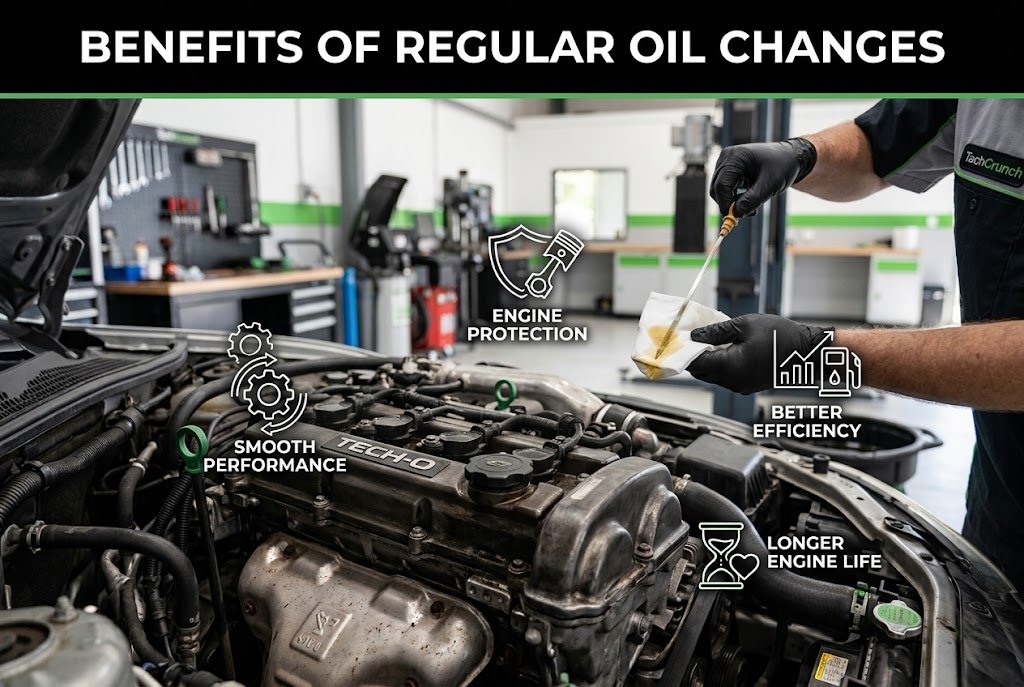
Regular oil changes help maintain proper lubrication and help keep engine operation clean. Fresh oil lets in less friction and includes fewer contaminants that are more likely to be cleared out. Following the manufacturer’s maintenance schedule can also help identify leaks or other maintenance problems early.
FAQs
1. Can I change my car’s oil myself?
Yes. Many car owners can perform a primary oil alternate at home if they have the perfect system, sources, data, and a secure walking area. Always follow car-specific instructions.
2. How long does an oil change take?
A primary oil trade may take about thirty minutes to an hour for an skilled man or woman. Beginners may additionally need more time beyond the regular time for schooling, checking instructions, and cleanup.
3. How do I know which oil to buy?
Check the proprietor’s manual for the recommended viscosity and specification. Use oil that meets the producer’s requirements rather than choosing a product primarily based on logo or fee.
Final Checks Before Driving
Before completing, investigate the paint’s location cautiously. Make positive the drain plug, filter, filler cap, and dipstick are all installed efficiently. Check underneath the car all over again for leaking oil. A small leak should be investigated before the auto is driven.
It is also beneficial to record the date and mileage of each oil change. Keeping a clean upkeep document makes it much easier to conform to the company timetable and be conscious of styles. If your vehicle uses an virtual safety reminder, reset it simplest after completing the issuer consistent with the manufacturer’s commands.
If the oil seems strangely infected, smells strongly of gas, or again and again drops between offerings, further inspection can be desired. These signs and symptoms can occasionally suggest a separate mechanical issue as opposed to an ordinary oil-change requirement.
Conclusion
Changing engine oil is a useful renovation capacity that can be discovered out by using using novices whilst the suitable method and safety precautions are discovered. The simple way consists of checking the manufacturer’s necessities, correctly draining the vintage oil, converting the filter out, reinstalling the drain plug, including the suitable clean oil, checking for leaks, and verifying the very last oil stage.
The most important rule is to follow your car’s owner’s guide. Use the specified oil and clear out, have a look at the correct tightening instructions, work thoroughly, and recycle used oil responsibly. If you cannot correctly support the car or stumble upon a problem you do now not apprehend, a certified mechanic can whole the carrier correctly. Regular renovation and cautious oil adjustments can help preserve your engine operating without difficulty and reliably for plenty miles.