

AI coding agents can now generate code faster than most teams can comprehend. That’s the challenge Anthropic is attempting to address with Claude Ship, a new set of agents that analyze pull requests and repair issues if necessary, sometimes even authorizing the change on your behalf.
It was announced on 23rd November 2026 by TachCrunch.com, and that signifies a genuine change: Claude isn’t just assisting developers in generating code anymore; it’s now helping to determine when it’s OK to deploy.
In this article, we take the pilot’s seat and put Claude Ship under the microscope. We cover what it is, how its three agents work, who can use it, the pricing, the pitfalls, and how to roll it out without losing the codebase.
What Is Claude Ship?
Claude Ship is a collection of AI agents that can handle the pull request (PR), the point at which a change is tested before being merged. Anthropic explains it as a method of pushing a PR through review, fixes, and an approval decision without a human monitoring each step manually.
It’s a lesson learned from Anthropic’s own use. Anthropic explains that on the Claude Code team, “every time a PR comes in, Claude has written most of the code that’s coming into the PR,” so it needs to move just as quickly. The company’s goal: ship code as quickly as teams can write it.
The approval component. While automated review tools are nothing new, Claude Ship features an agent that autonomously approves normal changes in accordance with rules you set.
The Three Agents within Claude Ship
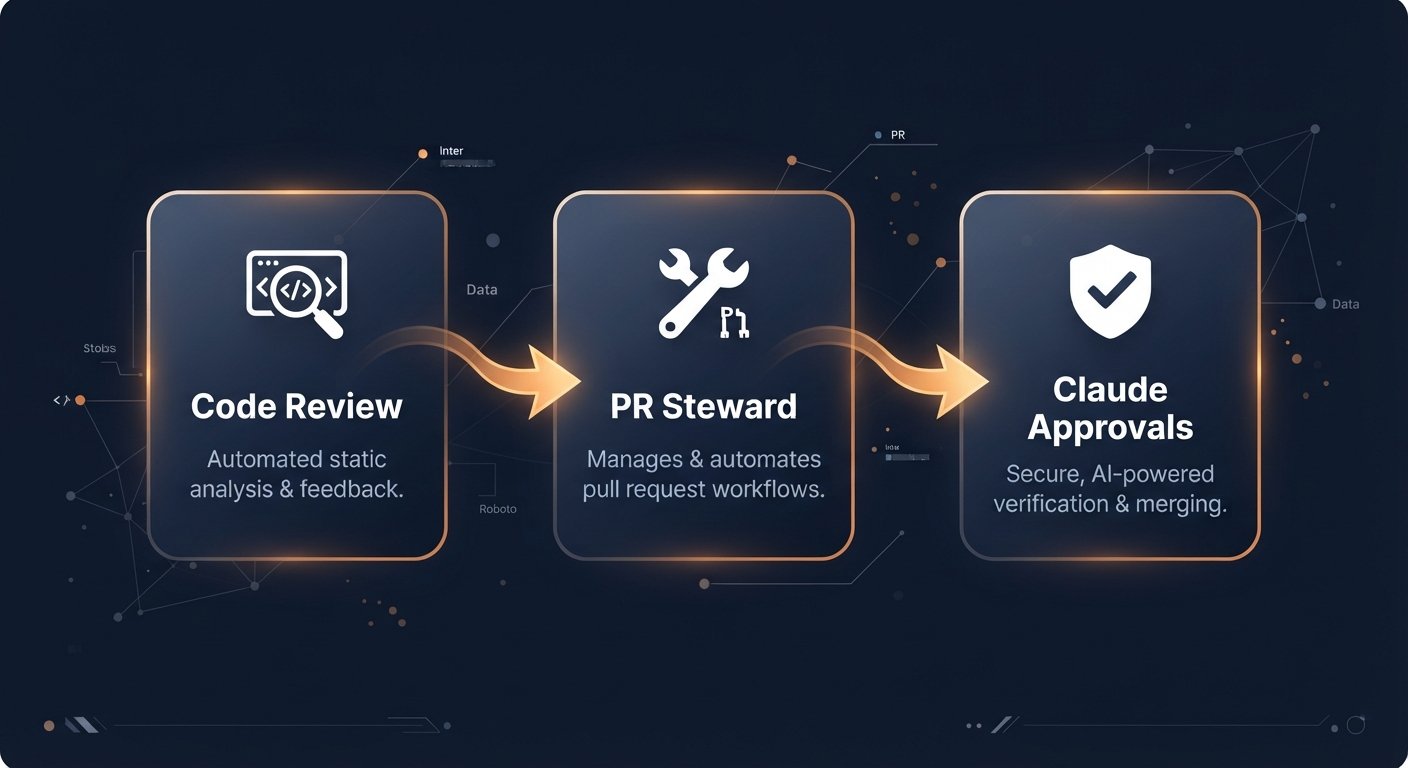
Claude Ship has three agents, with one step each.
1. Code Review ( generally available )
Code Review is the base. It runs multiple agents on a pull request in parallel to find bugs, then validates the candidates to eliminate any false positives, and finally prioritizes what’s left by severity. Results show up as comments on the PR.
You can set the level of review with options including Quick, Standard, and Deep. The more thorough the review, the more it costs. Code review was made generally available in October 2026 (after a research preview in the earlier part of the year), and Anthropic saw comments of substance on its own pull requests increase from 16 to 54 percent after using the tool.
2. PR Steward (beta)
What PR Steward does: es PR Steward takes on the boring tasks that often come after a review. It addresses the CI failures, merge conflicts, and feedback left in the code review and works through them. It can be aborted or instructed by comment.
And crucially, the PR Steward cannot approve or merge a pull request. It corrects; it does not arbitrate.
3. Claude Approvals (beta)
Claude Approvals is the headline feature. It enforces a policy for a given repository and determines if a change can be automatically approved, or if it needs to be approved by a human. The policy itself is written in simple language, instead of all sorts of configuration, and an early write-up compared it to a more intelligent CODEOWNERS file.
A policy can specify which types of edits are considered routine and don’t need to be brought to Claude’s attention, which edits require notification, how many people need to approve an edit to a particular path, or where and how Claude should be able to leave an approved review. For instance, you could allow Claude to approve documentation edits, but require human approval for code edits.
This separation is intended. Fixing an agent is not approving it.
How Claude Ship Works, Step by Step
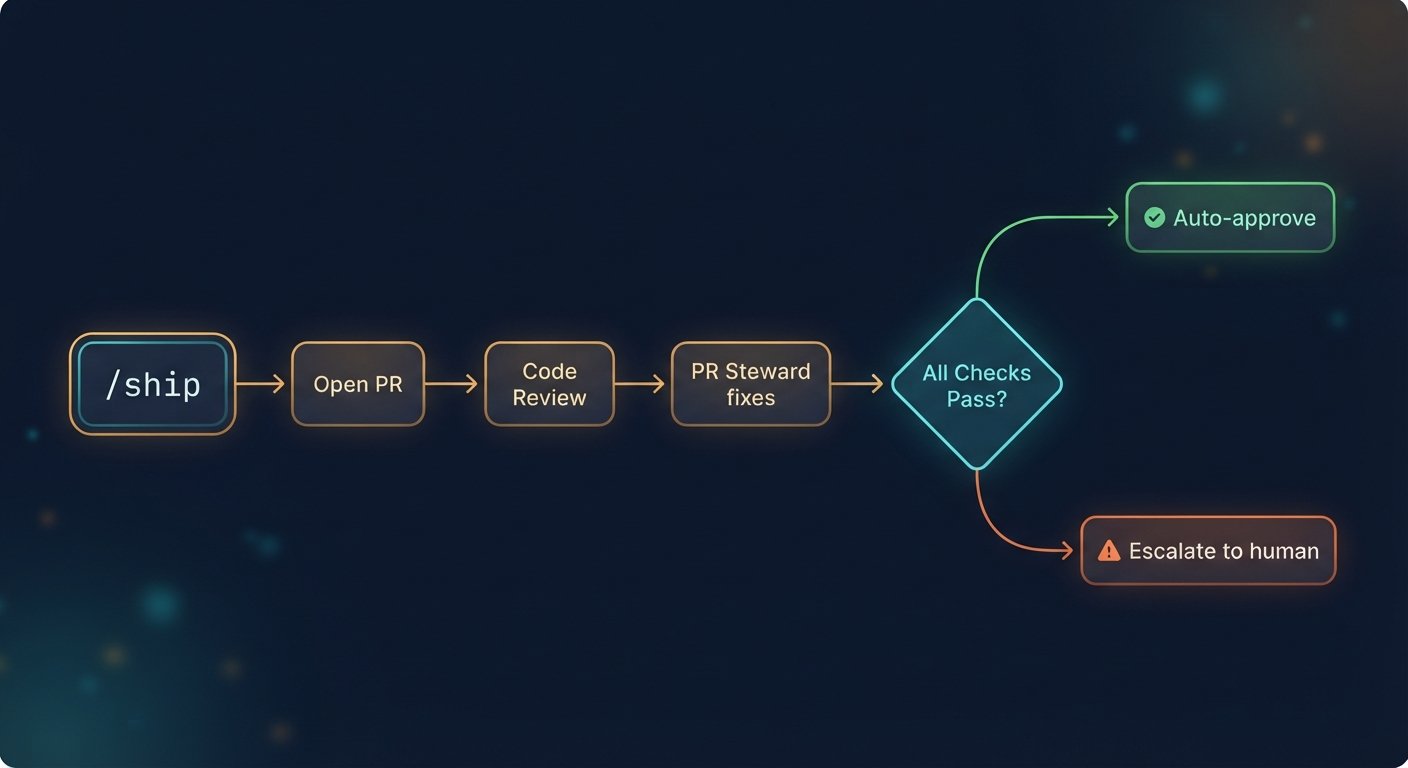
For the single developer, the entry point is the new /ship command in Claude Code:
- Update Claude Code and trigger /ship whenever your change is complete.
- Claude pushes the change and creates a pull request.
- Code Review reviews the PR and posts findings.
- PR Steward repairs checks that are not working. Repairs conflicts and review comments.
- Claude Approvals compares the result with your repository policy and accepts, or escalates to a human.
Organizations can enable ship-by-repo mode, so that agents pick up team pull requests without anyone having to type /ship. In a demonstration, Anthropic showed how this fits into the larger workflow: a product manager reads comments, discusses solutions with Claude, opens a pull request, and then goes back to other work while Claude Ship pushes the PR through to review, fix, and approve. This hands-off style of work is part of a wider shift, as seen in the companies replacing workers with AI across 2025 and 2026.
Why Anthropic Built It: The Review Bottleneck
How AI is shaking up engineering work. As agents churn out mass quantities of code, the bottleneck is no longer typing but reviewing, and reviewing is sluggish. “The amount of code engineers produce in our team has approximately tripled – roughly a 200% growth over one year,” Anthropic said. “Review has emerged as the bottleneck.”
Most teams still prefer to have a human say “yes” to each change; it’s simple when humans are responsible for every line of code. But this turns into a queue problem when your agents are generating most of the code. Claude Ship aims to eliminate that queue for safe work and automate the rest.
In terms of internal metrics, Anthropic also revealed that on the Claude Code team, merged PRs had more than doubled between June and September, and the percentage of changes that had to be rolled back was down by more than 40%. As with all internal metrics, these numbers are self-reported and from a larger process and not specifically the impact of Claude Ship. Take them with a pinch of salt.
Availability, Pricing and Limits
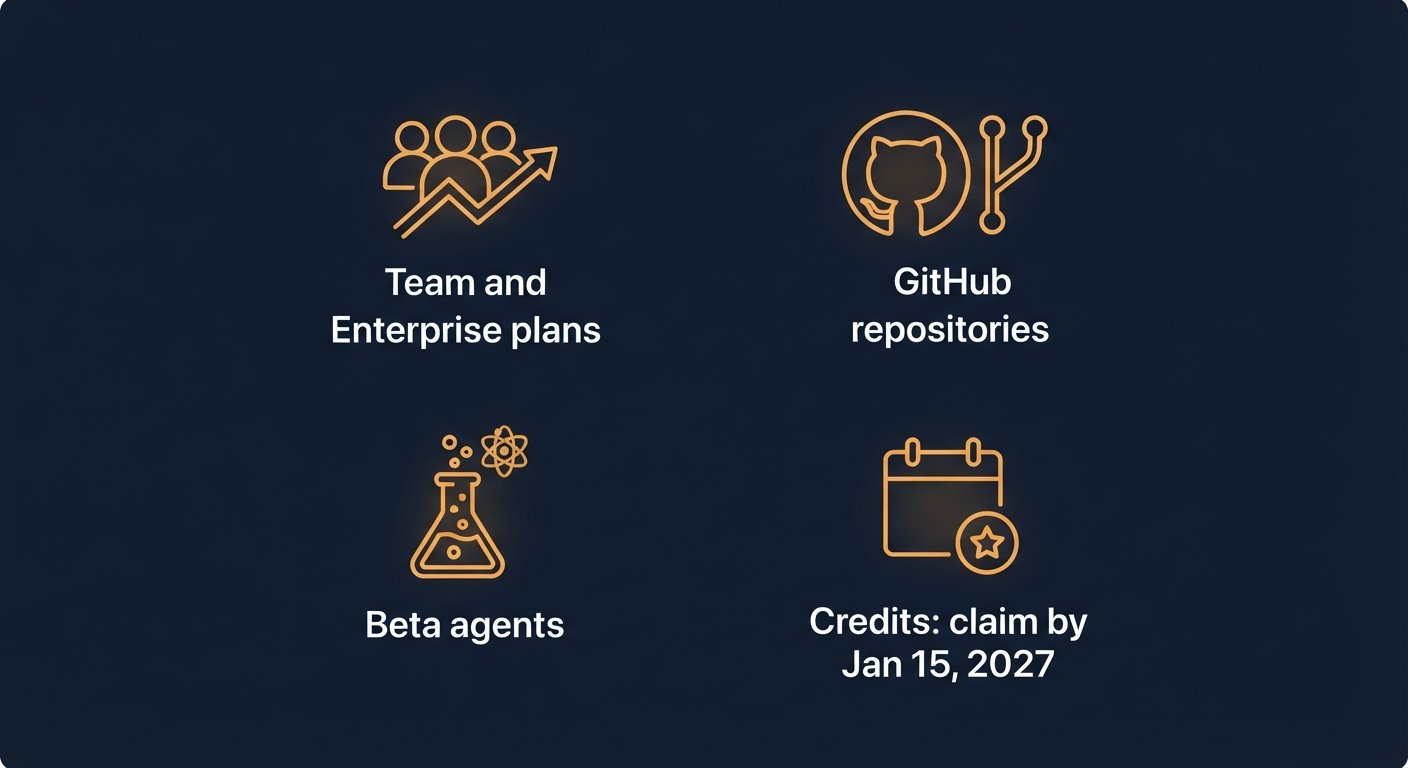
- Plans: Claude Ship is available on all plans: Claude Team and Enterprise plans.
- Platform: It supports repos on GitHub.
- Status: Code Review is available to everyone. PR Steward and Claude Approvals are in beta.
- Ship command: Available to developers on paid plans for testing in Claude Code and the desktop app. It will still count towards your regular Claude Code usage.
- Usage: Team usage is billed by tokens, with the ability to set a monthly spend limit.
- Credits: Eligible Enterprise customers will receive at least $10,000 in Ship credits and will have to apply the credits to their account by January 15, 2027.
- Due to feature restrictions, organizations on Zero Data Retention, HIPAA configuration, or customer-managed encryption keys are not yet supported.
Pricing is highly variable based on PR size, fragility, and depth, so prices will vary. Past Code Review pricing averaged around 15-25 per review per API call; Anthropic does not currently offer an up-front price, so test out on one repo before scaling.
Claude Ship vs. Other AI Code Review Tools
Existing apps like GitHub Copilot code review, Cursor Bugbot, ot, and Code Rabbit perform pull-request scans and detection of bugs. What Claude Ship adds is limited in scope: review, fix, and a policy-based acceptance decision in one automation, with integration into Claude Code itself, where most teams already do their writing.
That said, Anthropic has not made public a benchmark for Claude Ship, so any claim that it’s superior to competing tools remains untested. Run your own pilot and compare false-positive rates, review time, and cost on your actual pull requests.
Our Analysis: Opportunities and Risks
Where Claude Ship can help
- More rapid merges for normal requests. Documentation changes, test-only modifications, and minor refactorings are precisely the sorts of things that end up stuck in review queues where a judgment call is really not required.
- Fewer context switches. PR Stewards continually get ground down by fixing CI, fixing conflicts, s and commenting.s
- Same rules. A written rule book has the same rules each time, unlike a marketer or reviewer in a different mood, pressured by a time constraint, distracted by an ad.
- Reviewer focus. When everyday PRs are dealt with automatically, senior engineers can concentrate on architecture, security, ity and risky modifications.
Where it may, potentially, go wrong
- Bugs that are missed. Anthropic has also warned that, even with human support, Claude Ship can also miss bugs, security flaws, and more. (An approved PR is not necessarily a safe PR.)
- Automation bias. If most changes are considered okay by the AI, humans are unlikely to read diffs closely, so those that do get escalated don’t receive as much vetting.
- Weak policies. The system is only as safe as the policies you create. An ill-formed policy with too much classified as routine inadvertently grants an agent approval authority.
- Responsibility. Even if an auto-approved change causes an outage, someone will have to live with that. Teams should determine who that is before execution.
- Lack of compliance. Currently, there are outright bans for regulated companies.
We think Claude Ship is better for teams that are already producing a significant amount of agent-produced code, have comprehensive tests, and CI. For teams that have very sparse coverage, Automated Approval introduces risk more quickly than it speeds us up.
How to Adopt Claude Ship Safely
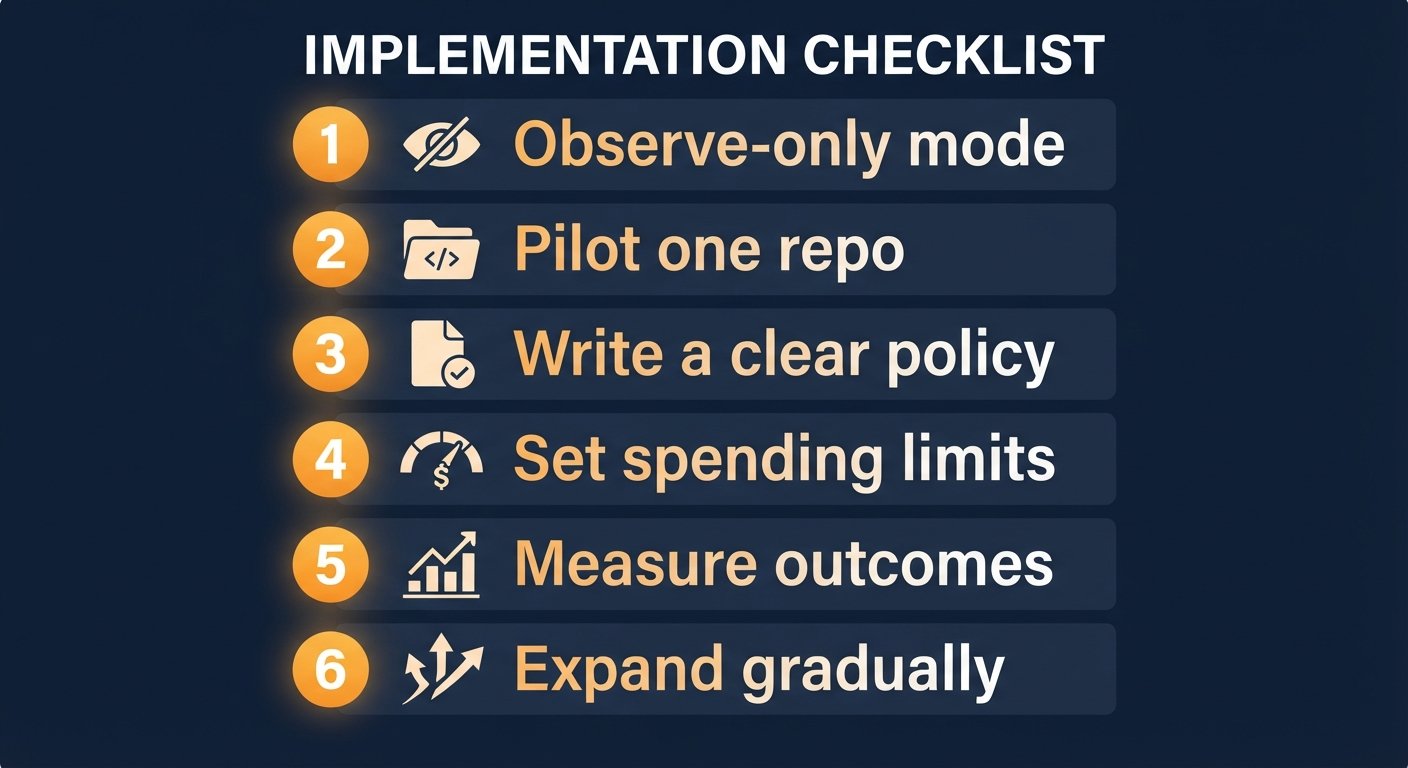
- Begin in observe-only mode. To get the most out of approvals, it’s advised to run them initially in observe-only mode so you can see how Claude’s choice differs from your humans’ decision.
- Start with one repo. Use a low-risk repo with high coverage, not your ‘payment’ or ‘log-in’ repo.
Create a concise, specific policy. Identify which changes are standard (like docs-only or test-only modifications), which require a human to always review them, and who that human is. - Set spend limits. Enforce monthly caps and set review thresholds that align with the level of risk in each repository.
- Measure results. See how long it takes for PRs to get merged, how many are reverted, the number of escaped bugs, and the percentage of PRs Claude escalated. More reverted PRs? Make the policy stricter.
- Just increase gradually. Move to other repositories only when you have enough data that the agents are either OK with you as best reviewers.
FAQs
What is Claude Ship?
A collection of Anthropic AI agents that can evaluate pull requests, patch issues, and sign off on mundane modifications based on protocols defined by your team.
Can Claude Ship approve code automatically?
Yes, but only with Claude Approvals (beta), which adheres to the policy you specify. (Any changes to your policy that are sensitive get elevated to a human). PR Steward (the fixer) cannot approve or merge.
Who can use Claude Ship?
You can use it on GitHub repos when you’re on the Claude Team and Enterprise plan. Developers on a paid plan can also test the /ship command on Claude Code.
Is Claude Ship free?
Usage is token-based, and /ship contributes to standard Claude Code consumption. Eligible Enterprise customers can receive promotional credits through January 15, 2027.
Can you use Claude Ship for production code?
This is possible if you begin in observe-only mode, write a strict policy, y and make humans liable for sensitive modifications. Anthropic notes that automated review can be fooled.
Does Claude Ship replace human code reviewers?
Not quite. It’s intended to replace simple approvals so humans can concentrate on the high-risk and high-complexity changes.
Which organizations are not eligible?
Individuals who select Zero Data Retention, HIPAA settings, or customer-managed encryption keys.
Conclusion
Claude Ship is our solution to a bottleneck our own technology created for the industry at large: the review takes longer than the training when AI writes code too fast. By integrating Code Review, PR Steward, and Claude Approvals, the goal is to shepherd a pull request from first push to approval with humans defining the rules and managing the edge cases.
The systems are still in beta b e, ta and the numbers are from Anthropic, so a deliberate rollout will be more important than an aggressive one. Go slow, document the policy, track the metrics, and allow the agents to gradually increase their stranglehold. Teams that do this well will not only deploy more quickly but use their humans where it matters.





Pingback: What Are the Features of Alibaba's New $450 AI Glasses?
Pingback: What Is User Co-Creation? A Practical Guide for Startups 2026